
Why Laptop Protection in a Bag is Essential for Travelers
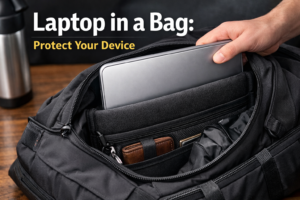
laptop in a bag is a daily reality for travelers and professionals. Your device is a vital tool for work, communication, and entertainment. A simple mistake in how you pack or carry it can lead to expensive damage. This guide explains how to protect your laptop. We cover how to choose the right bag, pack it correctly, and avoid common errors. Our focus is on practical steps for real-world travel.
When you travel, your laptop faces constant threats. Protection is not a luxury; it is a necessity. A damaged laptop can stop your work, cause data loss, and cost a lot to repair. Understanding the risks helps you make better choices for your office travel bag.
Common risks of damage during transit
Several common events can harm a laptop in a bag. Impact from drops or bumps is a primary cause. This can crack the screen or damage internal components. Pressure is another risk. Placing heavy items on top of your bag or overpacking can bend the laptop’s frame. Spills from water bottles or coffee are a frequent hazard. Finally, theft is a constant concern in crowded airports or train stations. A secure bag is your first line of defense.
The cost of neglecting proper laptop protection
Ignoring protection has real costs. Screen repairs often cost hundreds of pounds. Data recovery from a damaged hard drive can be even more expensive. For a business traveler, a broken laptop means lost productivity and missed deadlines. Replacing an entire device is the most significant financial hit. Investing in a good bag and proper packing habits is far cheaper than a major repair.
Choosing the Right Laptop Bag for Office Travel
Your choice of bag is the foundation of laptop safety. Not all bags are equal. The right laptop backpack or messenger bag provides structured protection. It also makes daily travel more comfortable. You need to balance protection, organization, and portability.
Key features of a protective laptop backpack
A high-quality laptop backpack has specific protective features. Look for a dedicated, padded compartment that fits your laptop snugly. The padding should be thick, often using foam or gel. A false bottom is important. This raises the laptop compartment off the ground, absorbing shock if you set the bag down hard. Sturdy, water-resistant material keeps moisture out. Padded shoulder straps and a back panel improve comfort during long walks. Reflective strips add safety for evening travel.
Comparing sleeves, messenger bags, and backpacks
Each bag type has pros and cons. A laptop sleeve offers basic scratch protection but must go inside another bag. It is good for minimalists. A messenger bag provides quick access and a professional look. However, the single-strap design can cause shoulder strain and may not balance weight well. A laptop backpack is often the best choice for office travel. It distributes weight evenly across both shoulders, is more secure against theft, and typically offers the most organizational pockets. For most travelers, a backpack provides the best mix of protection and comfort.
How to Properly Pack Your Laptop in a Bag
Even the best bag can fail if you pack incorrectly. Proper technique prevents pressure, impact, and clutter. The goal is to create a stable, cushioned environment for your device inside your office travel bag.
Creating a safe, padded compartment for your device
Always use the bag’s dedicated laptop section. Place the laptop with the screen facing the padded back of the bag. This protects the delicate display from items in the main compartment. Ensure the laptop sits flat and is not forced in. It should slide in easily without pressure on the edges. If your bag’s compartment is too big, use a protective laptop sleeve to fill the extra space and add a layer of cushioning.
Organizing cables and accessories without causing pressure
Cables and chargers can scratch your laptop. Use separate organizational pouches for these items. Place these pouches in front of the laptop compartment or in a different section of the bag. Never pack hard objects like power banks or external drives directly against the laptop. Keep them in their own padded pockets. This prevents point pressure that can dent the aluminum casing or crack the screen over time.
Maximizing Portability and Protection on the Go
Travel involves movement. You walk, run for trains, and place your bag in overhead bins. Your strategy must adapt to keep your laptop in a bag secure through all these situations.
Balancing weight distribution in your office travel bag
An unbalanced bag is unstable and increases the risk of dropping it. Pack the heaviest items, like your laptop and charger, closest to your back. This centers the weight and makes the bag easier to carry. Lighter items like documents or clothing can go in the front pockets. A well-balanced laptop backpack feels lighter and puts less strain on your body, reducing fatigue during long travel days.
Securing your laptop during different modes of transport
Different travel requires different tactics. In a car, place your bag on the floor behind the front seat, not on a vacant seat where it can slide off. On a train or bus, keep your bag on your lap or between your feet, not in an overhead rack where it can fall. In an airplane, if you must stow your laptop backpack overhead, place it with the laptop compartment facing up, so it does not get crushed by other luggage. Whenever possible, keep your bag with you.
Essential Tools and Accessories for Enhanced Safety
Beyond the bag itself, specific accessories can greatly improve protection. These tools are affordable and highly effective for anyone who regularly carries a laptop in a bag.
Recommended protective laptop sleeves and cases
A hard-shell case or a padded sleeve is a critical add-on. A hard case protects against bends, dents, and minor impacts. A neoprene or foam sleeve provides cushioning and scratch protection. For maximum safety, use both: a hard case on the laptop, placed inside a padded sleeve, and then into your bag’s compartment. This creates three layers of defense against physical damage.
Must-have organizational pouches for travelers
Organization is a part of protection. Cable pouches with multiple compartments keep cords from tangling and poking your laptop. A waterproof pouch is essential for toiletries to prevent leaks from damaging your electronics. A document folder keeps papers flat and prevents them from bending and pressing against your device. Using these pouches inside your office travel bag creates a clean, safe space for your laptop.
Common Mistakes When Carrying a Laptop in a Bag
Many people damage their laptops through simple, avoidable errors. Being aware of these mistakes is the first step to preventing them. Avoid these habits to extend the life of your device.
Overpacking and compressing your laptop
This is the most common error. Forcing too much into your bag puts direct pressure on the laptop compartment. It can warp the chassis, crack the screen, or damage the motherboard. A good rule is to leave some empty space in the laptop section. Your device should not feel compressed when you zip the bag closed. If it does, you need to remove some items.
Using a bag without dedicated laptop suspension
A general-purpose bag lacks the necessary structure. Without a suspended, padded compartment, your laptop bears the full force of every bump and drop. The bag’s contents shift and press directly against the device. Always use a bag designed specifically for a laptop in a bag. The investment in a proper laptop backpack or case pays for itself by preventing a single major repair.
Conclusion
Protecting your laptop in a bag requires the right gear and the right habits. Start with a well-made bag that has a padded, suspended compartment. Pack your laptop carefully, using sleeves and organizational pouches. Distribute weight evenly and stay aware of your bag during travel. Avoid overpacking and using unsuitable bags. These steps will keep your device safe, secure, and ready to work wherever your travels take you. For other travel essentials that combine function and style, explore our guide to the perfect Daisy Fragrance Perfume for your journey.
(FAQs)?
Can a laptop be damaged in a backpack?
Yes, a laptop can easily be damaged in a backpack if it is not the right type of backpack. A standard backpack without a padded laptop compartment offers little protection. Drops, pressure from other items, and general jostling can cause screen cracks, hard drive failure, or body damage. Always use a backpack designed for laptops.
What is the best type of bag for daily office travel?
For daily office travel, a dedicated laptop backpack is often the best choice. It provides balanced weight distribution, better back support, and typically has more protective features than a messenger bag. It also keeps your hands free and is more secure in crowded spaces. Choose one with ample padding, organizational pockets, and durable, water-resistant material.
Discover More Travel Essentials for Your Journey
Your laptop is just one part of a smooth travel experience. Being prepared with the right tools and accessories makes any trip more comfortable and efficient. From packing organizers to personal care items, the right gear reduces stress. Explore our other guides to build a complete, practical travel kit that meets all your needs on the road.
