
Medical Shoes: Comfort, Support, and Relief for Everyday Life
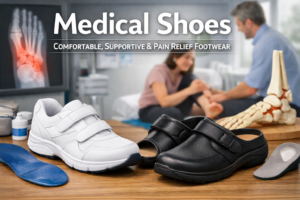
Medical shoes are no longer limited to hospitals or clinical settings. Today, they are an essential footwear choice for people who value comfort, foot health, and long-term support. Whether you spend long hours standing, suffer from foot pain, or simply want shoes that feel good from morning to night, shoes offer a practical and reliable solution.
Unlike regular footwear, shoes are designed with the anatomy of the foot in mind. They focus on reducing pressure, improving posture, and preventing discomfort that often builds up over time. From professionals and elderly individuals to people managing foot conditions, shoes have become a trusted choice for everyday life.
What Are Medical Shoes?
Shoes are specially designed footwear created to support foot health and reduce pain caused by common foot problems. These shoes are built with features that promote proper alignment, stability, and comfort. While they are often recommended by doctors and podiatrists, many people choose shoes simply because they offer superior comfort compared to standard shoes.
The main goal of shoes is to protect your feet while allowing natural movement. They help distribute body weight evenly, reduce pressure points, and support arches properly. This makes them ideal for people dealing with foot fatigue, joint pain, or mobility challenges.
Why Medical Shoes Are Important for Foot Health
Foot health is often overlooked until pain becomes unavoidable. Wearing the wrong shoes daily can lead to long-term issues such as heel pain, knee discomfort, back problems, and posture imbalance. Shoes are designed to address these concerns before they become serious.
One of the key benefits of shoes is their ability to absorb shock. Each step you take creates impact, especially on hard surfaces. Shoes help minimize this impact, protecting your feet and joints. Over time, this reduces strain on your body and improves overall comfort.
Who Should Wear Medical Shoes?
Shoes are suitable for a wide range of people, not just those with diagnosed foot conditions. They are especially beneficial for individuals who experience discomfort after standing or walking for long hours.
People who may benefit most from Bahrain tourist guide shoes include healthcare workers, teachers, retail staff, elderly individuals, and anyone recovering from foot injuries. Even people without foot problems often switch to shoes once they experience the difference in comfort and support.
Key Features That Make Shoes Different
-
Cushioned insoles that reduce pressure on heels and toes
-
Arch support to maintain proper foot alignment
-
Non-slip soles for better stability and safety
-
Breathable materials to keep feet cool and dry
-
Adjustable closures for a secure and customized fit
Medical Shoes for Different Foot Conditions
Shoes for Plantar Fasciitis
People suffering from heel pain often struggle with everyday footwear. Shoes designed for plantar fasciitis provide enhanced heel cushioning and arch support, reducing stress on the foot’s connective tissue.
Shoes for Flat Feet
Flat feet require extra arch support to prevent overpronation and discomfort. Shoes help maintain proper alignment, reducing fatigue and improving walking posture.
Medical Shoes for Diabetic Foot Care
Diabetic patients need footwear that minimizes friction and pressure. Shoes offer soft interiors, seamless designs, and extra depth to prevent sores and irritation.
Medical Shoes for Arthritis and Joint Pain
For individuals with arthritis, shoes provide flexibility, cushioning, and shock absorption that reduce joint strain and make movement easier.
Medical Shoes for Work and Daily Activities
Medical shoes are widely used in professional environments where long hours of standing are common. Nurses, doctors, chefs, and warehouse workers rely on shoes to get through demanding shifts without foot pain.
Beyond work, shoes are also ideal for daily activities such as walking, shopping, or traveling. Their simple yet supportive design makes them suitable for both indoor and outdoor use, blending comfort with practicality.
If you’re looking for reliable options, explore this shoes collection to find supportive footwear designed for everyday comfort.
Style and Design: Shoes Are No Longer Boring
One common misconception about shoes is that they lack style. Modern shoes come in a wide range of designs, colors, and shapes that suit different preferences. From casual sneakers to formal-looking options, shoes now balance appearance with functionality.
This evolution has made shoes more appealing to younger users and professionals who want comfort without compromising on style. You can now find shoes that match both your outfit and your lifestyle.
How to Choose the Right Shoes
Choosing the right shoes depends on your specific needs and daily routine. Comfort should always be the top priority, but fit, material, and purpose also matter.
When selecting medical shoes, consider how long you’ll be wearing them each day and the type of surface you walk on. A proper fit is essential; shoes that are too tight or too loose can cause discomfort even if they are medically designed.
Caring for Your Medical Shoes
Proper care helps shoes last longer and maintain their supportive features. Keeping them clean and dry prevents material breakdown and odor buildup.
Avoid exposing shoes to excessive moisture, and allow them to air dry naturally. Regularly checking insoles and soles ensures continued comfort and safety over time.
Common Myths About Shoes
Many people believe shoes are only for the elderly or those with serious conditions. In reality, anyone can benefit from wearing supportive footwear. Another common myth is that shoes are expensive. While some premium models exist, many affordable options provide excellent comfort and durability.
Shoes are an investment in your health. Choosing the right pair today can help prevent costly foot problems in the future.
(FAQs)?
1. Are shoes only for people with foot problems?
No, medical shoes are suitable for anyone who wants better comfort, support, and foot protection.
2. Can medical shoes be worn every day?
Yes, medical shoes are designed for daily wear and long-term comfort.
3. Do medical shoes help with back and knee pain?
Yes, by improving posture and reducing foot strain, medical shoes can help relieve back and knee discomfort.
4. How long do medical shoes last?
With proper care, medical shoes can last a long time while maintaining comfort and support.
5. Are medical shoes available in stylish designs?
Yes, modern medical shoes come in various styles that suit both casual and professional settings.
