
Why Nike Shoes for Women Dominate Fitness and Fashion
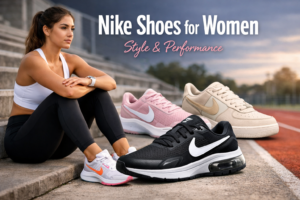
Nike shoes for women are a common sight in gyms, on running paths, and on city streets. This is not by chance. Nike creates footwear that meets the specific physical demands of female athletes while also offering designs that fit a modern lifestyle. The brand succeeds by treating performance and style as connected goals, not separate ideas.
Choosing the right footwear is a key part of any fitness plan. For active women, the right shoe provides support, comfort, and the confidence to push further. This guide focuses on Nike shoes for women, explaining how they combine technical innovation with modern style. We will look at the technology inside these shoes, show you how to pick the best model for your activities, and give you practical advice on fit and care. Whether you are running, training, or walking, understanding your options helps you make a smart choice for your performance journey.
The Evolution of Women’s Performance Footwear
In the past, women often had to choose between shoes made for men or simpler versions of men’s designs. Nike helped change this. The company invested in research to understand the biomechanical differences in women’s feet, stride, and body structure. This led to shoes with narrower heels, different arch placements, and cushioning tuned for generally lighter body weights. This focus on specific needs made Nike sneakers more effective and comfortable, building trust with female athletes.
Key Benefits of Nike’s Women-Specific Designs
The main advantage of these designs is improved performance and reduced injury risk. A shoe that fits the shape of your foot properly provides better stability. Cushioning that responds correctly to your weight and gait makes movement more efficient. Furthermore, Nike offers these technical features in a wide range of colors and styles. This means the women trainers you wear for a hard workout can also look good with your everyday clothes. This versatility is a major reason for their popularity.
Decoding Nike’s Performance Technology for Women
The reputation of Nike shoes for women is built on advanced technology. These are not just marketing terms; each system has a clear function to improve your movement. Knowing what these technologies do helps you select the right tool for your sport.
Nike Air Cushioning: Impact Protection Explained
Nike Air uses pressurized gas inside durable membranes to cushion your foot. When you step down, the air units compress to absorb shock. This technology is excellent for protecting joints during high-impact activities like running or jumping. In many Nike shoes for women, the Air units are placed in the heel or forefoot, which are the areas that feel the most force.
React and ZoomX Foam: Energy Return for Runners
While Air cushions impact, foams like React and ZoomX focus on energy return. React foam is durable and provides a soft, responsive feel for all-day wear or daily runs. ZoomX foam is lighter and bouncier. It compresses when your foot lands and then pushes back, helping to propel you forward. This can make running feel easier. You can learn more about these materials on Nike’s official technology pages.
Flyknit and Engineered Mesh: Adaptive Fit and Breathability
The upper part of the shoe is just as important as the sole. Flyknit is a lightweight fabric woven from high-strength threads. It stretches and conforms to the shape of your foot like a sock, offering a precise fit without pressure points. Engineered mesh uses strategic ventilation zones to keep your feet cool. Both materials reduce weight and improve the overall comfort of Nike sneakers.
Choosing the Right Nike Shoes for Your Fitness Goals
Not all Nike shoes for women are designed for the same purpose. Wearing a running shoe for weightlifting, or a training shoe for long-distance runs, can hinder your performance and increase injury risk. Match the shoe to your primary activity.
Best Nike Shoes for Running and Cardio
For running, look for models with dedicated cushioning and forward-motion support. The Nike Pegasus and Nike React Infinity Run are top choices. They offer a balance of soft landing and responsive toe-off, making them ideal for daily miles. Their flexible construction works with your natural running stride.
Top Nike Trainers for Gym and Cross-Training
Gym and HIIT workouts involve lateral moves, jumps, and lifts. You need a stable, flat base. The Nike Metcon series is built for this. It has a firm heel for stability during squats and a flexible forefoot for agility drills. These women trainers prioritize support over plush cushioning.
Nike Footwear for Walking and Everyday Comfort
For walking or all-day wear, comfort and support are key. Models like the Nike Air Max 270 or Nike Renew Run provide ample cushioning for heel-to-toe movement. Their designs are also stylish for casual use. If you’re planning a trip with lots of walking, consider reading our Bahrain tourist guide for tips on exploring comfortably.
Performance-Oriented Footwear: A Deep Dive into Key Models
Let’s examine three iconic lines of Nike shoes for women. Understanding their design philosophy shows you how a shoe’s construction directly serves its intended use.
Nike Pegasus: The All-Rounder for Daily Performance
The Pegasus is perhaps the most popular running shoe in the world. Its success comes from reliability. It uses a combination of React foam and Air Zoom units to deliver consistent cushioning and response. The fit is secure but not tight. For a woman looking for one trusted pair of Nike sneakers to handle most of her running, the Pegasus is a proven choice.
Nike Metcon: Stability for Strength Training
The Metcon is the opposite of a maximalist running shoe. Its core feature is a flat, wide, and stable platform. This prevents your foot from rolling during heavy lifts. The upper is tough and durable to withstand rope climbs. Some models even have a hyperlift insert to improve range of motion during deep squats. It is a specialist tool for strength.
Nike Free: Natural Movement and Flexibility
The Nike Free line uses deep flex grooves in the outsole to mimic the feeling of barefoot movement. This encourages foot strength and flexibility. These shoes are excellent for low-impact gym work, yoga, or short runs where you want to focus on form. They are among the most flexible Nike shoes for women available.
Style Integration: Making Performance Shoes Work for You
Today’s Nike shoes for women are designed to leave the gym. Their aesthetic appeal allows you to build a cohesive athletic and casual wardrobe. You get more value from a shoe that performs during your workout and complements your style afterward.
Matching Nike Sneakers with Activewear
For a coordinated gym look, match your shoes to a key color in your leggings or top. Monochromatic outfits (all one color family) look sleek. Alternatively, let a brightly colored pair of women trainers be the standout piece against neutral activewear.
Transitioning Performance Shoes to Casual Wear
Clean, classic models transition easily. Pair white or black Nike sneakers with jeans, joggers, or casual dresses. The key is to ensure the shoes are clean. A performance running shoe with bold colors can add a sporty accent to minimalist streetwear.
Color and Design Trends in Women’s Trainers
Trends shift, but some staples remain. Neutral tones like white, grey, and black are always versatile. Pastel shades and earth tones are often popular for a softer look. Reflective details and mixed-material uppers (like suede with mesh) add visual interest to modern Nike sneakers.
Essential Fit and Sizing Guide for Nike Women’s Shoes
A perfect fit is the most important feature of any shoe. An ill-fitting shoe will cause discomfort and may lead to blisters or other issues, no matter how advanced its technology is.
How to Accurately Measure Your Foot
Measure your feet at the end of the day when they are slightly swollen. Stand on a piece of paper, trace your foot, and measure the length from heel to longest toe. Do this for both feet, as they are often different sizes. Always use the measurement of your larger foot. Refer to Nike’s size chart, as sizing can vary by model. Studies on biomechanical fit confirm that proper measurement is the first step to injury prevention.
Understanding Nike’s Width and Arch Support Options
Nike offers some styles in wide (W) widths, which provide more room in the forefoot. If you have a high arch, you may benefit from shoes with more structured arch support or using your own insoles. Many Nike shoes for women have a removable insole, allowing for this customization.
Common Sizing Mistakes and How to Avoid Them
The most common mistake is assuming your size is the same across all brands and styles. Always check the specific size guide for the model you want. Another error is not leaving enough space (about a thumb’s width) between your longest toe and the end of the shoe. Your foot needs room to splay and move during activity.
Care and Maintenance for Long-Lasting Performance
Taking care of your Nike shoes for women protects your investment and ensures they perform as intended for longer. Proper care maintains the cushioning, structure, and appearance of the shoe.
Cleaning Protocols for Different Nike Materials
For mesh or Flyknit uppers, use a soft brush, mild soap, and cold water. Scrub gently and air dry away from direct heat. For leather or synthetic leather, use a damp cloth. Never put your Nike sneakers in the washing machine or clothes dryer, as this can break down glues and deform materials.
Maximizing the Lifespan of Your Cushioning
The midsole foam loses its resilience over time and with use. To slow this process, avoid wearing your performance shoes for everyday tasks if you have another pair. Rotate between two pairs of women trainers if you exercise frequently. This gives the foam time to fully rebound between uses.
When to Retire Your Performance Shoes
Most running or training shoes last between 300 to 500 miles. Signs of wear include compressed cushioning that no longer feels springy, worn-out tread patterns, or creasing in the midsole that feels uneven. Wearing shoes past their lifespan increases stress on your muscles and joints.
Conclusion
Selecting the right Nike shoes for women is an investment in your health, fitness, and comfort. By understanding the technology, matching the shoe to your activity, and ensuring a proper fit, you equip yourself for better performance. The combination of innovative engineering and thoughtful design means you don’t have to choose between function and style. Your shoes should support your goals every step of the way.
(FAQs)?
Are Nike shoes good for wide feet?
Yes, Nike produces many popular models in a Wide (W) width option. The Pegasus, Air Max, and some React running models often come in wide sizes. It is important to check the product details before you buy to see if the width you need is available.
How often should I replace my running shoes?
You should plan to replace running shoes every 300 to 500 miles. For most regular runners, this is about every 6 to 8 months. Look for physical signs like worn-out outsoles, loss of cushioning, or new aches in your legs or feet, which indicate the shoes are no longer providing adequate support.
Can I use the same Nike shoes for running and gym?
It is not ideal. Running shoes are built for forward motion and have softer cushioning, which can be unstable for side-to-side gym movements or weightlifting. For mixed routines, a cross-training shoe like the Nike Metcon is a better compromise. For dedicated running and dedicated lifting, separate pairs of Nike shoes for women are recommended.